Drive Shower Products
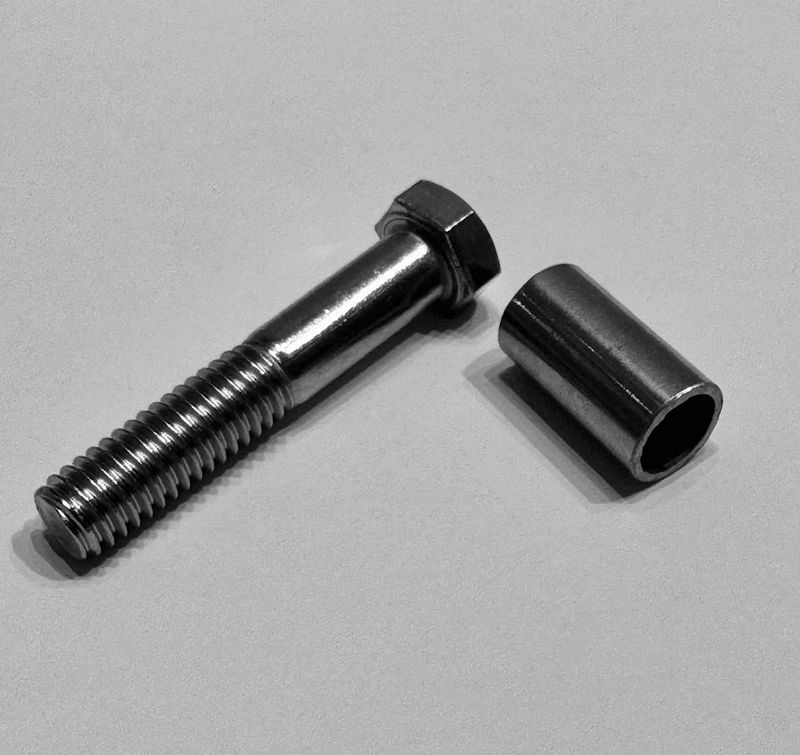
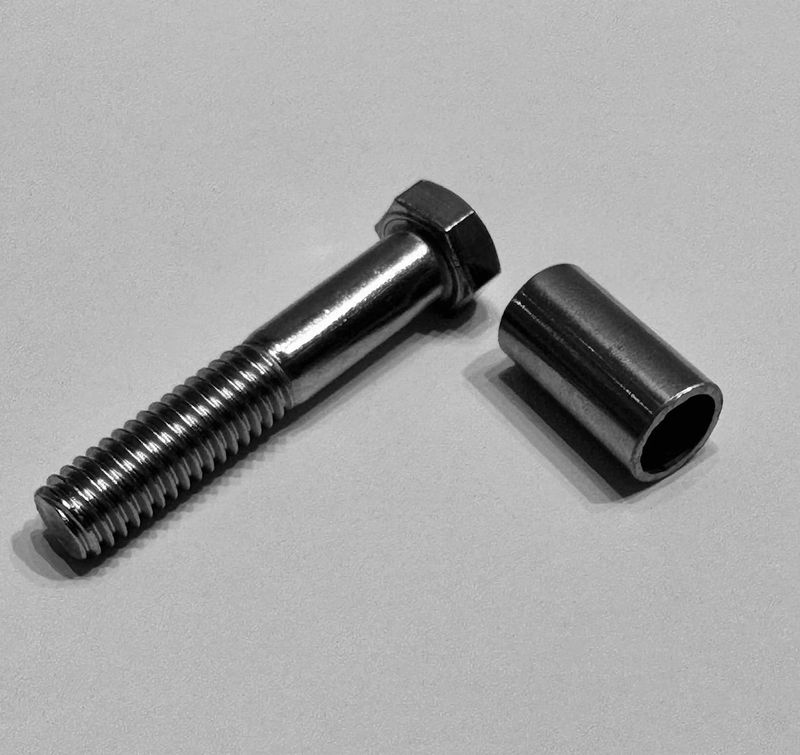
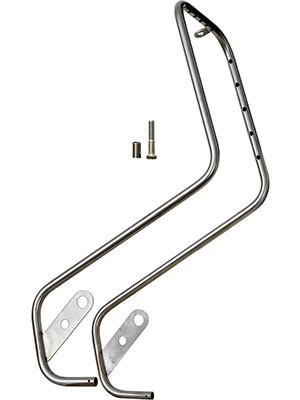
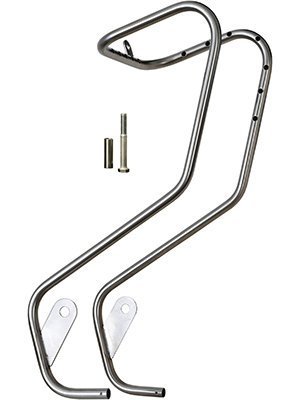
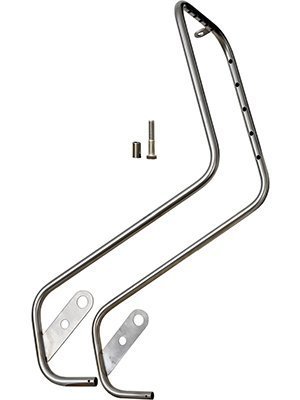
All Drive Shower components are made from type 304, 18-gauge Stainless Steel. The mounting hardware consists of a 3/8 dia. x 16 (course thread) hex headed SST bolt and spacer. The torque specification for the supplied bolt is 30-foot pounds.
*Simrek Multiport Drive Showers will NOT fit outdrives with Mayfair or Zeiger steering.
*FREE USPS Priority Shipping, (3-Day) on any size order within the United States
$49.95 USPS Priority
International Shipping
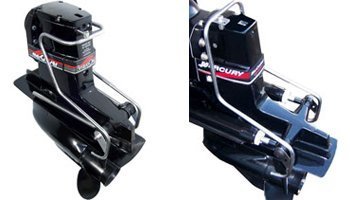
We offer three different models of drive showers:
HALO MAX
– Fits ALL stock Bravos and all stock Bravos with saddle-type tie bars. (Will NOT fit Bravos with IMCO or Latham steering.) Includes 19 water dump ports that provides 65+ degrees of cooling.
SUMMIT MAX
– Fits all Alpha’s including Gen II as well as all Alpha’s with Imco or Latham steering. Includes 15 water dump ports that provides 55+ degrees of cooling.
CUSTOM SUMMIT MAX
– Fits Bravo’s with IMCO or Latham steering with tie bars. Includes 15 water dump ports that provides 6o+ degrees of cooling.
Featured Products

*If you're purchasing a combination of different style Drive Showers, please contact us at 480-724-8164 for a combination discount before placing your order.
All Drive Showers $263.00 to $205.00 (in quantities)**
**Quantity discounts for orders of 2, 3, 4 and 5. See Order Page for details.
* FREE USPS Priority Shipping on any size order within the United States
$49.95 USPS Priority International Shipping